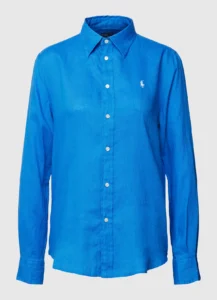

Linen is the undisputed fabric of the summer sartorial elite. It evokes images of the Amalfi coast, effortless elegance, and the highly coveted “Quiet Luxury” aesthetic. Among the foundational pieces of this wardrobe, the ladies ralph lauren linen shirt stands as a perennial favorite. However, despite its visual appeal, linen carries a heavy reputation. Consumers frequently hesitate at the checkout, haunted by three pervasive concerns: Is it too sheer? Will it scratch my skin? Is it impossible to maintain?
To make an informed investment, one must look beyond the brand label and understand the structural biology of the fabric itself. High-end garment manufacturing operates on strict quality control parameters that separate premium linen from mass-market imitations. Here are the three undeniable truths you must know before acquiring this iconic piece.
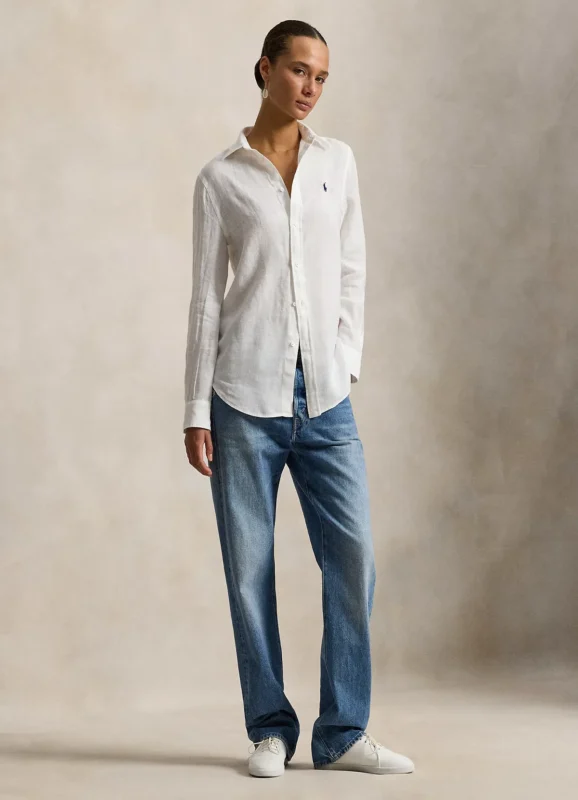
The most common grievance against linen is its tactile feel. Many consumers have been traumatized by cheap, abrasive linen blends that feel closer to burlap than luxury apparel. The truth is, high-quality linen is not inherently scratchy; it is a matter of raw material grading and factory-level processing.
Linen is spun from the stalks of the flax plant. The quality of the final yarn is entirely dependent on the length of these fibers. Mass-market garments often utilize “tow” (short flax fibers), which have numerous ends that poke out of the spun yarn, creating a prickly, abrasive texture against the skin.
A premium ladies ralph lauren linen shirt is constructed utilizing long-staple flax fibers. Because these fibers are longer, the resulting yarn is smoother, stronger, and significantly softer.
Furthermore, premium linen does not arrive at the retail floor in its raw state. Top-tier manufacturing supply chains employ extensive pre-treatment processes. This often involves enzyme washing or heavy garment-washing—processes where the assembled shirt is washed with specific biodegradable enzymes or softeners to break down the natural pectins in the flax.
The Verdict: While a brand-new, high-density linen shirt may possess a crisp “hand feel” initially, it should never scratch. More importantly, linen is a dynamic fabric; the friction and moisture of regular wear and washing will continue to break down the residual pectins, meaning the shirt will grow exponentially softer over time.
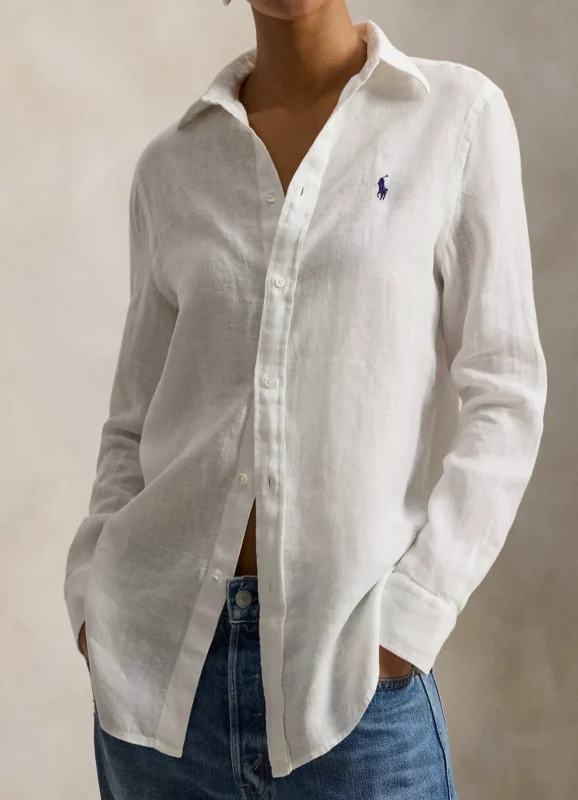
The fear of a sheer blouse—particularly in lighter colorways like white, cream, or baby blue—is a legitimate concern for women seeking versatile, office-appropriate summer wear. With linen, a certain degree of light transmission is inevitable due to the fabric’s breathable nature, but there is a distinct line between “breathable” and “inappropriately transparent.”
The opacity of a linen shirt is determined by its warp and weft density—the number of horizontal and vertical threads woven into a square inch of fabric. Fast-fashion brands reduce costs by using a loose weave, resulting in a flimsy, highly sheer garment that requires an undershirt, defeating the purpose of wearing cooling linen.
Premium labels utilize a much denser, tighter weave. They balance the inherent breathability of the flax fiber with a thread count high enough to ensure modesty.
When evaluating a linen shirt, hold it up to a natural light source. You will notice “slubs”—small, natural knots and variations in the thickness of the yarn. In low-tier linen, these slubs are erratic and cause weak points or massive gaps in the weave. In high-end manufacturing, advanced sorting technologies ensure these slubs are relatively uniform, adding beautiful textural depth to the garment without compromising its structural opacity.
The Verdict: A white ladies ralph lauren linen shirt will naturally shadow dark undergarments, but it is engineered with enough density to be worn confidently with nude or tonal undergarments. The fabric should look substantial, not gauzy.
The final barrier to entry is the maintenance. Consumers fear that the shirt will shrink exponentially in the wash or that the wrinkles will make them look unkempt. Understanding high-end garment processing completely re-frames this narrative.
Flax fibers are highly susceptible to dimensional change when exposed to water and heat. If you buy cheap linen, it may shrink by up to 10% after the first wash. However, high-end apparel manufacturing incorporates rigorous shrinkage control protocols.
Before the fabric is even cut, it undergoes high-temperature pre-shrinking. Once the garment is sewn, it is often subjected to industrial garment-washing. This multi-step quality control ensures that the dimensional stability of the shirt is locked in. Provided you follow basic care instructions—washing in cold water and strictly avoiding the high heat of a tumble dryer—the shirt will retain its original fit and proportions.
Linen lacks elasticity; it will wrinkle the moment you sit down or bend your arm. Attempting to keep a linen shirt perfectly crisp all day is a losing battle.
However, the nature of the wrinkle matters. High-density, long-staple linen creates soft, undulating creases that drape elegantly, signaling a relaxed, affluent aesthetic. This is often referred to in sartorial circles as the “rich wrinkle.” It communicates an effortless confidence that stiff, synthetic fabrics cannot replicate.
To master the maintenance of your linen shirt, abandon the dry cleaner.
Purchasing a ladies ralph lauren linen shirt is not merely buying into a brand logo; it is investing in high-caliber textile engineering. Yes, linen requires a specific mindset—an acceptance of natural wrinkles and a commitment to air-drying. However, once you understand the rigorous manufacturing processes that prevent scratchiness, control sheerness, and eliminate shrinkage anxiety, the garment ceases to be “high-maintenance.” Instead, it becomes the most reliable, breathable, and effortlessly sophisticated staple in your warm-weather wardrobe.
 EN EN
EN EN  ES
ES
 FR
FR
 DE
DE