The modern “high-intellect” aesthetic—a refined intersection of Dark Academia, Quiet Luxury, and traditional Ivy League style—is not achieved by accident. It projects an aura of being well-read, highly capable, and effortlessly affluent. It rejects loud logos and fleeting micro-trends, focusing instead on heritage fabrics, structural silhouettes, and masterful layering.
At the absolute center of this sartorial philosophy sits a singular, non-negotiable garment: the ralph lauren cable knit sweater.
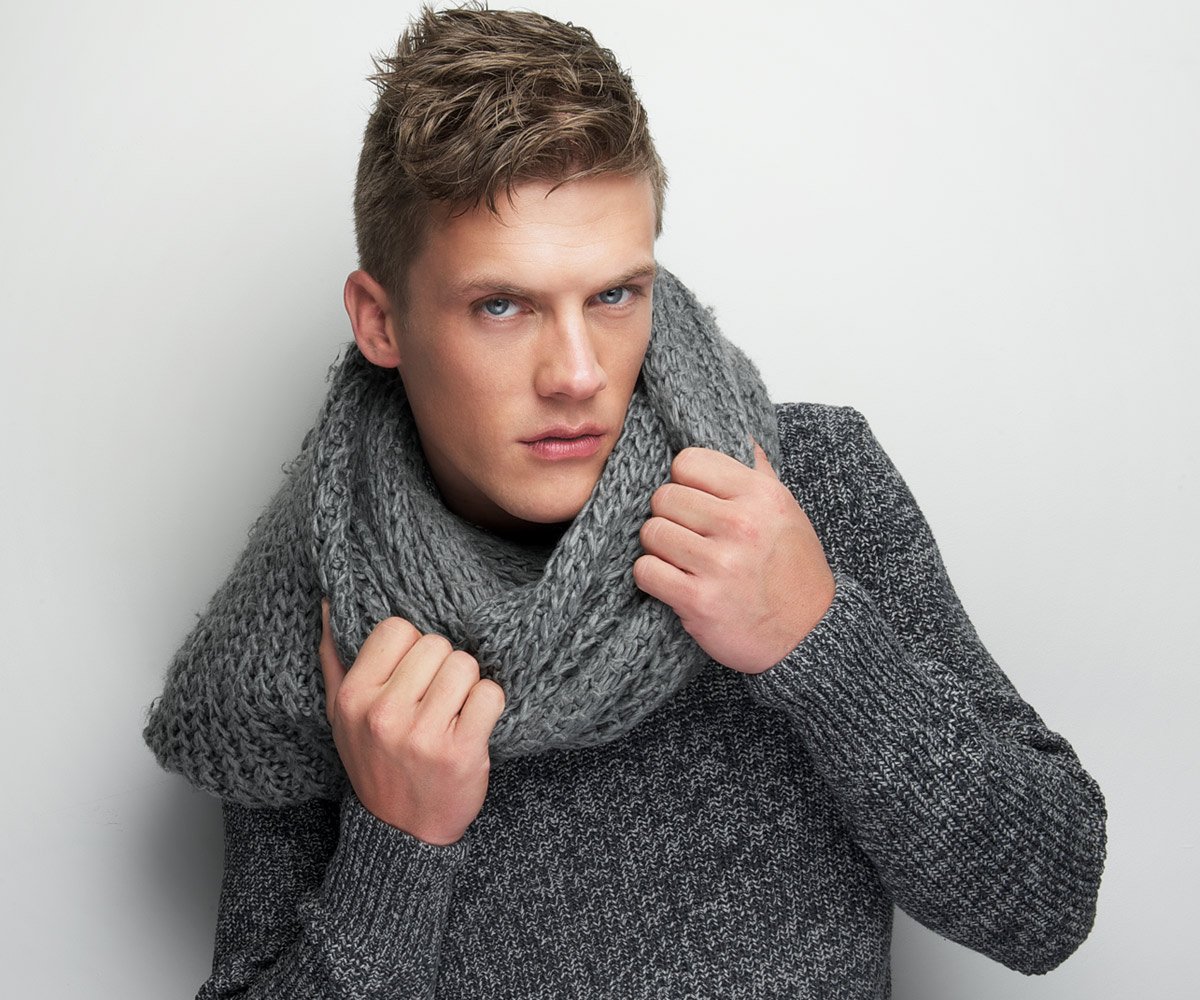
The three-dimensional, braided texture of the cable knit was originally designed for Irish fishermen to provide exceptional warmth and durability. Ralph Lauren adopted this rugged texture and refined it for the American elite. However, simply wearing the sweater over bare skin does not achieve the high-intellect aesthetic; it merely looks like a weekend basic. To elevate the garment to an intellectual, academic level, you must master the art of architectural layering.
Here is the definitive guide to using the classic cable knit as the foundation for a deeply sophisticated autumn and winter wardrobe.
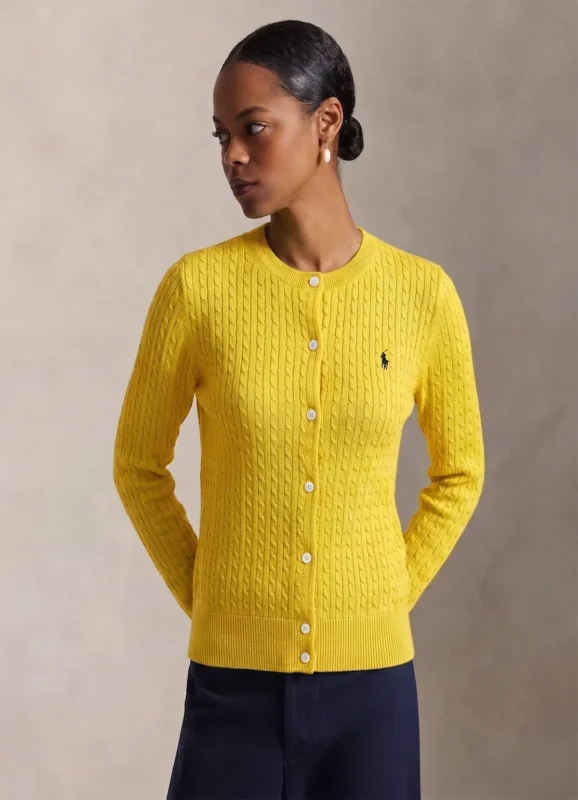
A sweater worn alone lacks visual boundaries. To project an analytical, intellectual vibe, you must frame the face and wrists with a crisp base layer.
The Oxford Cloth Button-Down (OCBD) The traditional OCBD is the ultimate companion to the cable knit. The juxtaposition of smooth, structured cotton against the heavy, braided wool or Pima cotton creates immediate visual depth.
The Fine-Gauge Turtleneck For late winter, swap the collared shirt for a tissue-weight merino wool or silk-blend turtleneck. Layering a cream-colored turtleneck underneath a navy ralph lauren cable knit creates a sleek, unbroken line that elongates the neck. It is the uniform of a gallery curator or a literature professor—minimalist, warm, and highly sophisticated.
The high-intellect aesthetic relies on combining fabrics that possess rich, tactile histories. Because the cable knit is highly textured, your outerwear must provide a calculated contrast.
The Tweed Blazer This is the pinnacle of Dark Academia. Pair a mid-weight cotton or merino cable knit with a structured, tailored blazer in a houndstooth, herringbone, or Donegal tweed pattern. The rugged, speckled texture of the tweed compliments the braided cables without competing with them. Ensure the blazer has a slightly structured shoulder to prevent the layering from looking sloppy or excessively rounded.
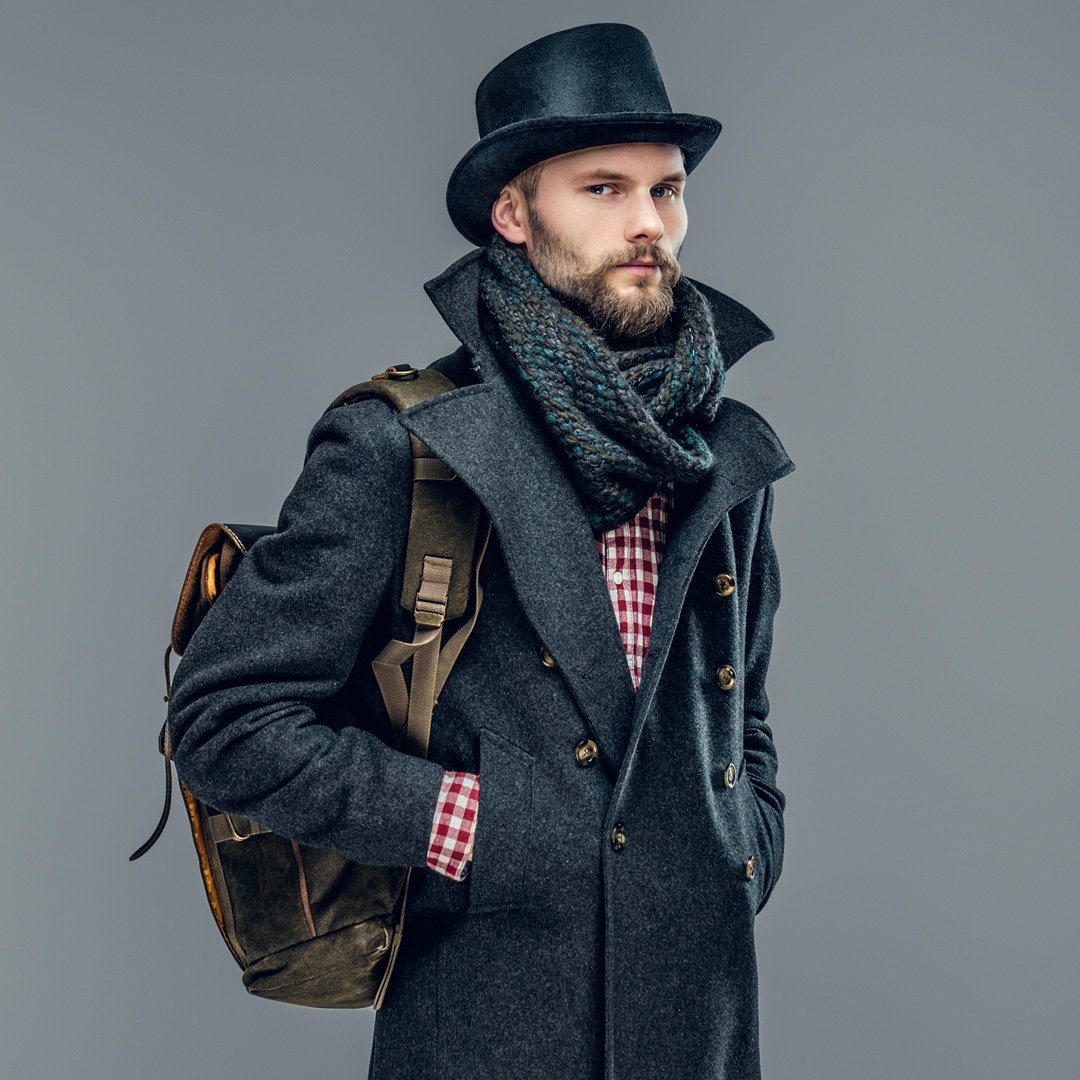
The Classic Trench Coat For a brisk autumn commute, the smooth, water-resistant gabardine of a classic trench coat acts as the perfect architectural shell over a chunky sweater. The rigid, clean lines of the coat’s lapels and belted waist bring military precision to the soft, knitted layer underneath. Stick to a highly academic color palette: a camel trench coat over a hunter green or charcoal grey cable knit.
One of the most powerful styling moves in the old-money and Ivy League playbook does not involve actually wearing the sweater on your torso. It involves utilizing the garment as an elevated, textural accessory.
When the central heating of a library or office becomes too warm, the intellectual response is not to simply carry your sweater.
The Classic Shoulder Drape Drape the ralph lauren cable knit over your shoulders, resting on top of an oversized poplin shirt or a tailored blazer.
This specific styling trick instantly adds a layer of Ivy League nonchalance to an outfit. It communicates that you possess luxury items but treat them with a degree of pragmatic disregard.
Not all cable knits are engineered for the same type of layering. Your choice of material directly impacts how the outfit will drape.
Dressing with “high-intellect” appeal is never about loudly advertising wealth; it is about projecting competence, history, and a deep appreciation for quality. By treating your ralph lauren cable knit not as a standalone top, but as an architectural component to be paired with crisp collars, structured tweeds, and strategic drapes, you completely transform its context.
You elevate the garment from a simple preppy basic into a complex, sophisticated uniform. Master these layering mechanics, adhere to a refined, neutral color palette, and you will capture the timeless, highly educated aura of the ultimate Ivy League wardrobe.
 EN EN
EN EN  ES
ES
 FR
FR
 DE
DE